In the rapidly evolving world of digital marketing, 2025 is shaping up to be a year of massive shifts. The lines between content and commerce are blurring, and brands that understand this transition—from casual scrolling to seamless sales—are the ones winning. Smart brands no longer rely on outdated tactics; instead, they’ve mastered how to craft a conversion strategy that aligns with the modern customer journey.
Today, it’s not just about getting seen. It’s about turning that visibility into trust, and then into revenue. That’s the new era of digital marketing.

The Customer Journey Has Evolved
The first thing any brand needs to acknowledge in 2025 is that the customer journey is no longer linear. Users might discover your brand on Instagram, Google you later, watch your YouTube shorts, and finally make a purchase through a Facebook ad. This non-linear path means your digital marketing strategy needs to be everywhere, all the time.
Your audience is scrolling 90% of their day. But they’re only buying when they feel seen, heard, and understood. That’s where conversion strategy and customer engagement step in.
To win in 2025, brands must:
- Create tailored content across all major platforms.
- Ensure mobile-first, fast-loading websites.
- Leverage real-time data to guide digital marketing campaigns.
The better you understand your customer journey, the higher your chances of converting that scroll into a sale.
Content Is Still King—But Now It Must Sell
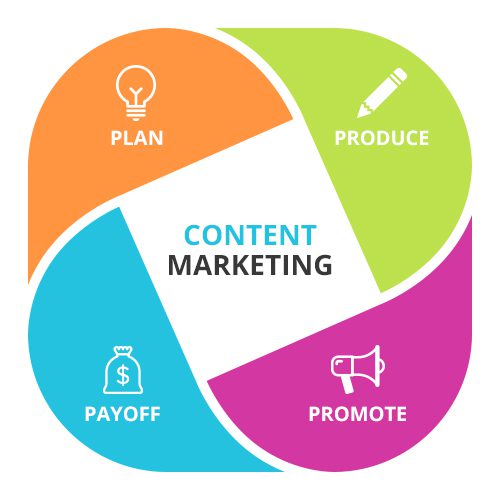
In earlier days, content was about storytelling. In 2025, it still is—but with a stronger focus on selling without selling. That’s the art of digital marketing today.
Every reel, blog post, or carousel should serve a purpose in the conversion strategy. This doesn’t mean hard selling. It means smart positioning, authentic storytelling, and clear CTAs. Whether it’s a hook in a YouTube intro or a caption on a LinkedIn post, every word must push the user one step closer in their customer journey.
Digital marketing professionals now use a content matrix, mapping every piece of content to a specific stage: awareness, consideration, or decision. Smart brands use data to fine-tune this map weekly, if not daily.
Leveraging Micro-Moments in 2025
What separates good marketers from great ones? The ability to catch micro-moments—those brief windows where users are ready to engage, buy, or share. This is the sweet spot of modern digital marketing.
To make the most of micro-moments, your conversion strategy should:
- Use AI-driven remarketing ads.
- Personalize email marketing sequences.
- Offer time-sensitive promotions.
The best part? These don’t feel pushy. They’re strategic nudges along the customer journey, encouraging users to move from scroll to sale effortlessly.
Building Trust Through Online Branding
Trust isn’t bought—it’s built. And in 2025, online branding is your biggest trust-builder. Your visuals, voice, reviews, and social proof all contribute to how people perceive your brand.
Effective digital marketing in 2025 is not about who shouts the loudest, but who speaks the clearest. Smart brands invest in:
- Consistent visual identity across channels.
- Real customer testimonials.
- Interactive content like polls and Q&As.
Online branding also means having a solid presence on search engines. That’s where SEO plays a key role. From your meta tags to your blog posts, every corner of your website should scream trust and clarity.
Paid + Organic = The Winning Combo
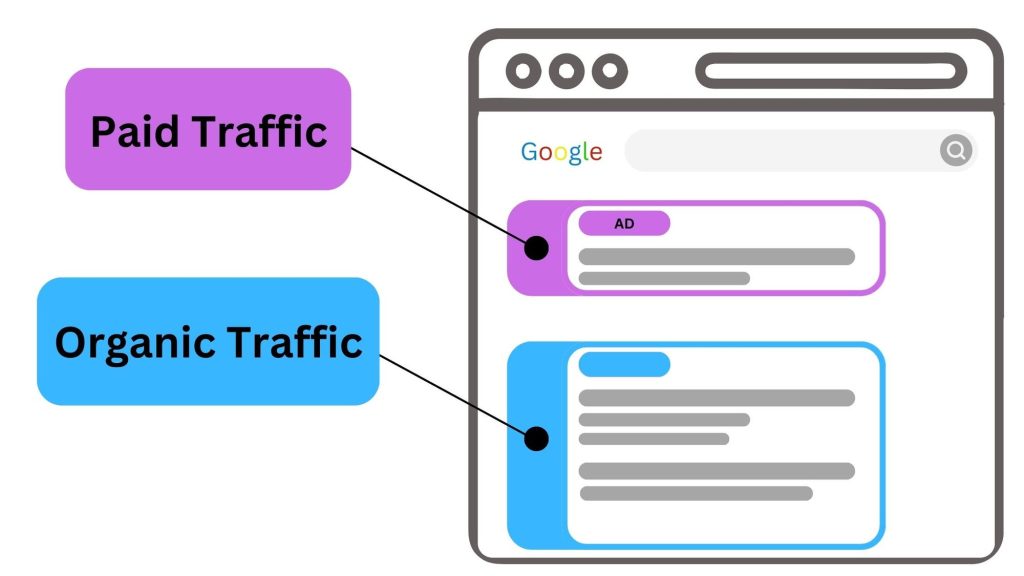
Some brands rely only on paid ads. Others swear by organic growth. But the truth is, digital marketing is most powerful when you blend both.
A solid conversion strategy uses:
- SEO to build long-term organic traffic.
- PPC to drive quick results during launches.
- Retargeting to pull back fence-sitters.
Smart marketers know when to spend and when to scale back. They track every ad, optimize every landing page, and keep improving their funnels—all while nurturing their customer journey.
The Role of Automation & AI Tools
Let’s face it—2025 belongs to those who automate smartly. From AI copy generators to CRM workflows, automation is the backbone of every successful digital marketing plan.
But here’s the catch: tools don’t replace creativity—they enhance it. Use them to gather insights, personalize experiences, and schedule campaigns. But let your human instinct guide the emotional tone of your online branding.
Top tools smart brands are using in 2025:
- Chatbots for 24/7 engagement.
- Email automation for consistent follow-ups.
- Analytics dashboards to track conversion strategy success.
Trends come and go. But what stays consistent is strategy. Digital marketing in 2025 isn’t about chasing every viral moment. It’s about understanding your audience, mastering your customer journey, and executing a well-crafted conversion strategy.
From endless scrolling to meaningful purchases, the journey is there—you just have to lead the way. Smart brands aren’t just playing the game. They’re rewriting the rules.
If you’re a brand still waiting to figure out digital, the time is now. The scroll never stops—but neither should your growth.