Introduction: Why Social Media Marketing Matters Today
In today’s hyper-connected world, if your business isn’t online, it’s invisible. And if it’s online but not active on social media, you’re leaving serious money—and brand value—on the table.
So, what exactly is social media marketing? How does it work? And more importantly—how can you use it to grow your brand in 2025 and beyond?
This beginner-friendly guide breaks it all down for you—without jargon, without fluff.

What Is Social Media Marketing?
Social media marketing (SMM) refers to the use of platforms like Instagram, Facebook, LinkedIn, Twitter (X), Pinterest, and YouTube to promote products, build relationships, and create brand awareness. It involves creating and sharing content that attracts, engages, and converts your target audience.
Think of it as a digital handshake. You show up where your audience hangs out, offer them value, and build trust—one post at a time.
Why Is Social Media Marketing Important?

Here’s why SMM is no longer optional—it’s mission-critical:
- Global Reach: Platforms like Instagram and Facebook have billions of users.
- Low-Cost, High ROI: Organic reach and targeted ads give even small brands a competitive edge.
- Mobile-First Attention: People spend 2-4 hours daily scrolling—your brand should be part of that feed.
- Relationship Building: Social media builds brand trust and loyalty, not just sales.
Key Components of Social Media Marketing
Let’s break down the core elements of an effective social media strategy:
1. Content Creation
Content is the currency of social media. The type of content depends on your platform and audience:
- Instagram: Reels, carousels, aesthetic images
- LinkedIn: Informative posts, infographics, carousels
- Facebook: Community posts, long captions, live videos
- Twitter/X: Threads, hot takes, updates
- YouTube: Long-form content, tutorials, product demos
2. Audience Targeting
A post without purpose is just noise. Know your audience:
- Who are they? (Age, gender, profession)
- Where are they? (Platform & geography)
- What do they want? (Pain points, interests, goals)
3. Engagement & Community Building
SMM isn’t a one-way street. Respond to DMs, comments, shares, and tags. The more you engage, the more visibility you get.
Example: “Thanks for your comment!” may seem small, but it increases your algorithm performance and brand likeability.
4. Ads (Social Media Advertising)
Organic reach is getting tougher. That’s where paid ads come in. You can:
- Run Facebook & Instagram Ads to drive sales
- Promote your posts to reach new users
- Retarget people who visited your website
5. Analytics & Optimization
You can’t improve what you don’t measure. Track your key performance indicators (KPIs):
- Reach
- Engagement Rate
- Click-Through Rate (CTR)
- Conversion Rate
- Follower Growth
Use tools: Meta Business Suite, LinkedIn Analytics, Google Analytics
Benefits of Social Media Marketing :-
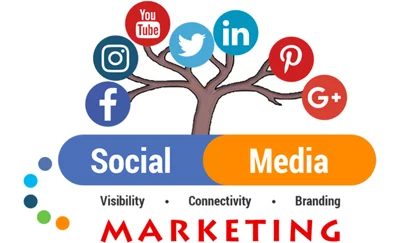
- Increased Brand Awareness
- Stronger Customer Relationships
- Improved Website Traffic
- Higher Conversion Rates
- Real-time Customer Feedback
Whether you’re a startup, freelancer, or full-scale brand, social media gives you a direct line to your audience.
Common Myths About Social Media Marketing
Let’s bust a few myths:
No. Focus where your audience is active.
Nope. Quality engagement matters more than vanity metrics.
Strategy > frequency. Posting without value is spam.
Getting Started with Social Media Marketing (Step-by-Step)
Here’s a basic roadmap:
- Choose Your Platforms (Based on your niche and audience)
- Set SMART Goals (e.g., “Increase Instagram engagement by 30% in 3 months”)
- Create a Content Calendar (Plan posts weekly/monthly)
- Design Creatives using Canva or Adobe Express
- Post Consistently & Track Performance
- Adjust Based on Insights
Bonus: Use trending formats like Reels, Carousels, and Stories to boost reach.
Final Thoughts: Social Media Is the New Marketing Powerhouse
The question isn’t “Should I do social media marketing?”
The question is “How well can I do it to grow my brand online?”
The digital world is shifting fast—but one thing remains constant: attention is the new currency. Social media marketing helps you earn it, convert it, and sustain it.
Learn more about social media click below:-